Mais atualizações da plataforma Duda - Agosto 2021

September 7, 2021
0 minute read

1 - Novo template: Pizzaria

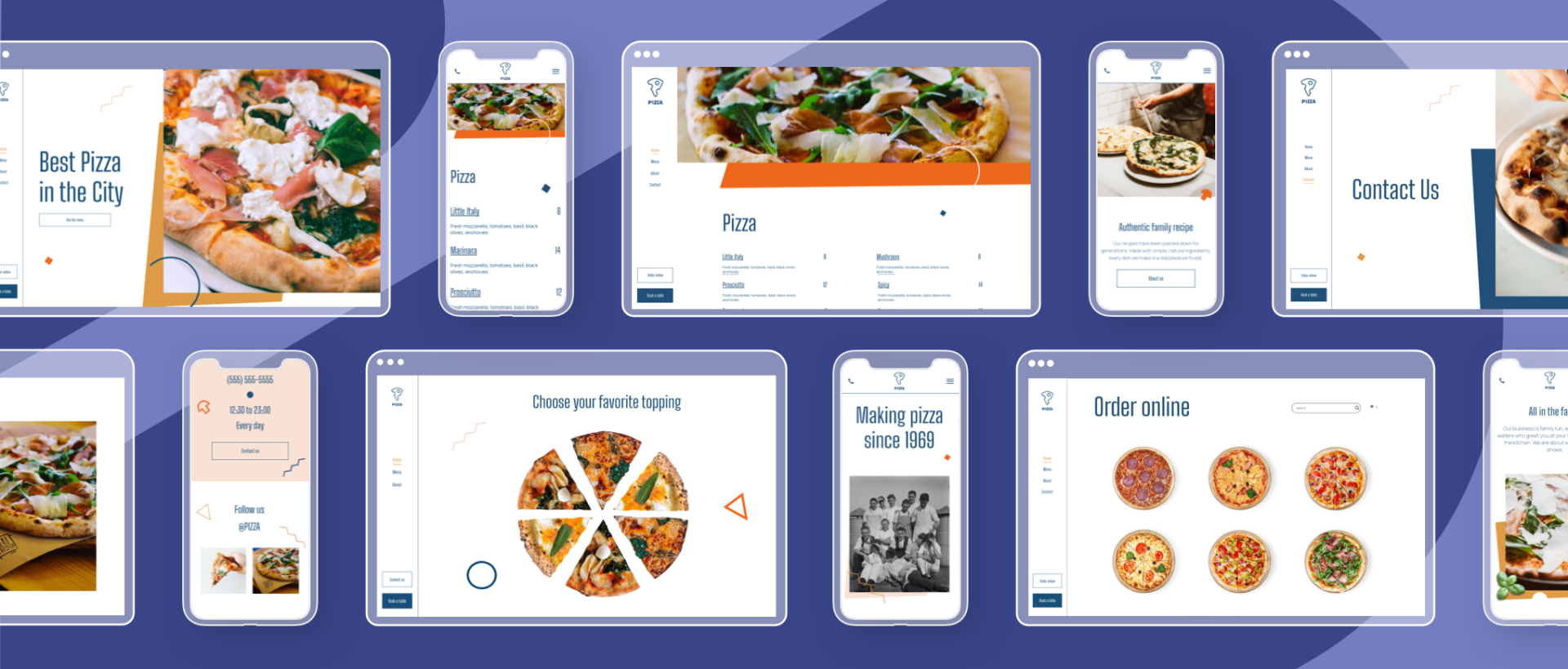
Este novo template de Pizzaria tem tudo que você precisa para um ótimo site de restaurante ou café. Ele é construído com DudaFlex, o que significa que você tem excelentes possibilidades de flexibilidade e design.

Este template de dar água na boca apresenta um menu simples, informações básicas sobre o restaurante e muitas fotografias deliciosas de alta qualidade. A página Sobre inclui a imagem do chef, tornando a empresa autêntica e pessoal. Ele também tem uma barra lateral diferenciada e de ótima aparência.


Como sempre, você pode salvar qualquer parte deste modelo como uma seção e usar novamente em outros sites. Se você deseja recriar a seção animada Escolha sua cobertura favorita por conta própria, assista o vídeo e siga as etapas listadas neste post.

Use agora este template

2 - Marca personalizada: simplificada e mais consistente

Sabemos o quanto é importante para muitos de vocês tornar a plataforma Duda como sua, personalizando-a com sua marca. É por isso que você vai adorar a mais recente melhoria em seus recursos de marca branca: simplificada e mais consistente.

Marca Branca na Duda: a plataforma que você pode chamar de sua


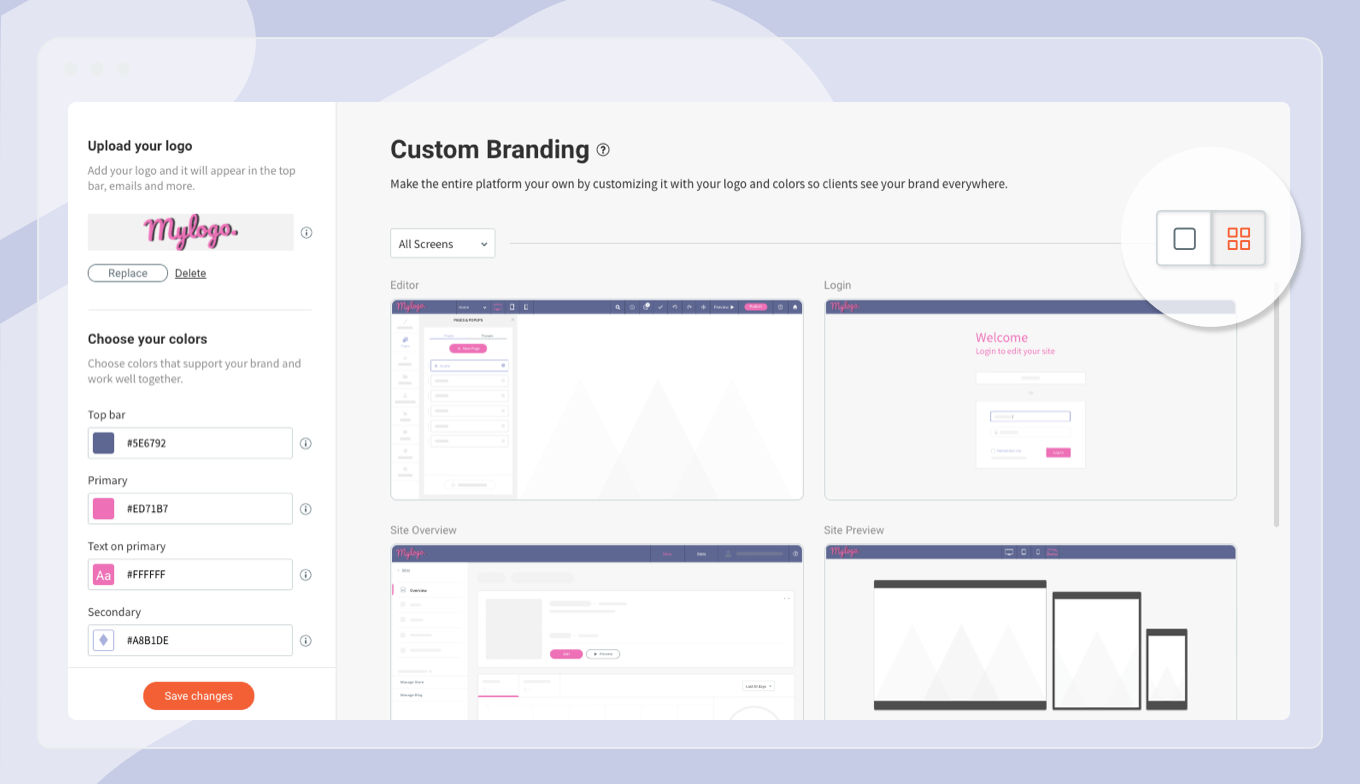
Mantenha sua marca em destaque, fortaleça-a e crie relacionamentos mais profundos com seus clientes adicionando seu logotipo, cores e estilos em toda a plataforma. Com uma nova interface elegante e ferramentas de visualização fantásticas, você achará mais fácil do que nunca personalizar a Duda para se adequar a sua empresa perfeitamente.

O que há de novo em sua Marca Personalizada


  • Experiência consistente para seus clientes: a barra superior customizável, que apresenta seu logotipo e cores, aparece de forma consistente em toda a plataforma: no editor, painel, visão geral do site, comunicações com o cliente e muito mais.
  • Personalizações rápidas e fáceis: a nova interface elegante torna mais fácil escolher cores, carregar seu logotipo e ver como tudo se junta nas várias telas.
  • Veja o que seus clientes veem: para ver a aparência de suas personalizações para clientes específicos, vá em ‘Gestão de Clientes’, escolha um cliente e clique em ‘Ver como cliente’.


Pronto para começar?


A Marca Personalizada está disponível nos planos Team e superiores. Para configurar pela primeira vez ou atualizar para a versão aprimorada, vá para o dashboard, clique em White label > Marca Personalizada e comece a personalizar.


Para mais informações sobre as ferramentas de Marca Branca na Duda, visite nosso Suporte.


3 - Melhoria DudaFlex: Esconder no Ponto de Interrupção

Graças aos feedbacks enviados por nossos clientes, desenvolvemos mais maneiras de ocultar elementos em pontos de interrupção específicos. Isso torna mais fácil para você controlar exatamente como os sites construídos no DudaFlex aparecem em diferentes tamanhos de tela.


Escondendo elementos em pontos de interrupção


Ocultar elementos por ponto de interrupção é uma ótima maneira de fazer os sites parecerem perfeitos em todos os tamanhos de tela. Por exemplo, um design complexo que parece perfeito em desktop, pode parecer confuso em uma tela menor. Ocultar elementos permite que você ajuste um design por ponto de interrupção, para que fique bem em todas as telas.


Para tornar isso mais fácil no DudaFlex, adicionamos mais maneiras de ocultar elementos:


1. No painel de camadas, localize o elemento que deseja ocultar e clique no ícone de olho.


2. Clique com o botão direito no elemento para exibir o menu de contexto e selecione Ocultar neste ponto de interrupção.


3. Clique em um elemento para exibir a barra flutuante, clique no ícone do boneco de neve (ícone de 3 pontos) à direita para revelar o menu e selecione Ocultar neste ponto de interrupção. (Obs.: este método ainda não está disponível para elementos Grid, Container e Flexbox.)


Você também pode ocultar um elemento usando os atalhos do teclado: Shift + Command + h para Mac. Shift + Control + h para Windows.


Nota: Para mostrar um elemento que foi oculto, abra o painel de camadas e clique no ícone de olho.


4 - Novos meios de pagamento para eCommerce

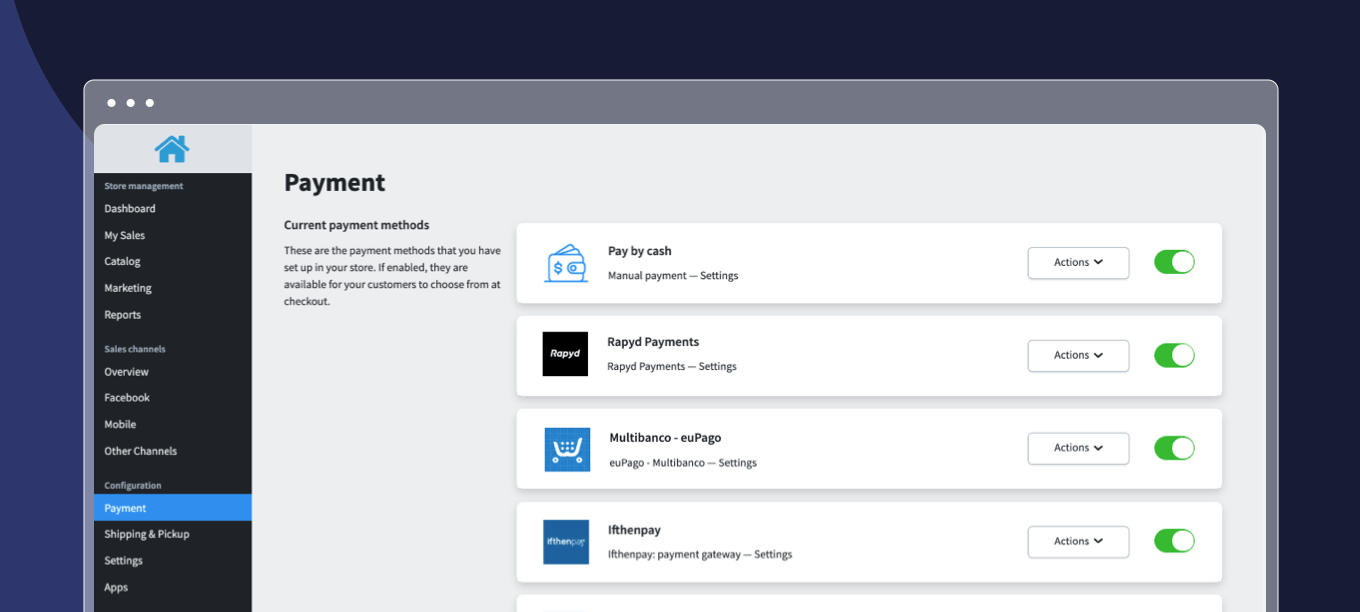
Seus clientes agora têm 3 novos gateways de pagamento, além dos mais de 40 gateways de pagamento atuais, tornando ainda mais fácil para clientes em todo o mundo fazer compras em seus sites. Esses novos gateways são: IfthenPay, Eupago, Rapyd.

Mais métodos de pagamento, vendas mais fáceis


IfthenPay - Uma ótima maneira de aceitar pagamentos online em Portugal e na Europa. Aceita todos os métodos de pagamento portugueses comuns: Multibanco, MB Way, Payshop, cartões de crédito e mais em breve.


Eupago - Esta plataforma de pagamento é especialmente para Portugal. É acreditada e fiscalizada pelo Banco Central de Portugal e é especialista na oferta de soluções de pagamento online.


Rapyd - Colete fundos em 50 países em todo o mundo a partir de vários tipos de métodos de pagamento localizados.


5 - Melhor SEO para Blog: Defina Meta Título do Post

Torne mais fácil para as pessoas encontrarem as postagens e melhore o SEO dos posts de blog, definindo um meta título exclusivo para os mesmos. Isso permite que você defina um título com o comprimento ideal para SEO e com as melhores palavras-chave.

Um pouco sobre meta títulos


Meta títulos são os títulos que ajudam os mecanismos de pesquisa a entender do que se trata uma página específica. Eles são exibidos em páginas de resultados de mecanismos de pesquisa (SERPs), navegadores da web e redes sociais.


Até agora, o meta título das postagens do seu blog era igual ao título da postagem em si. Portanto, se o título do seu blog fosse “21 maneiras de ganhar 1 milhão de dólares antes do meio-dia sem sair do escritório”, isso seria o que os mecanismos de pesquisa exibiam em seus SERPs.


Agora, você pode editar o campo do título Meta para que tenha o comprimento ideal e tenha um CTA. Por exemplo: “Ganhe 1 milhão de dólares antes do meio-dia. Aprenda como!”


Seu novo campo de meta título


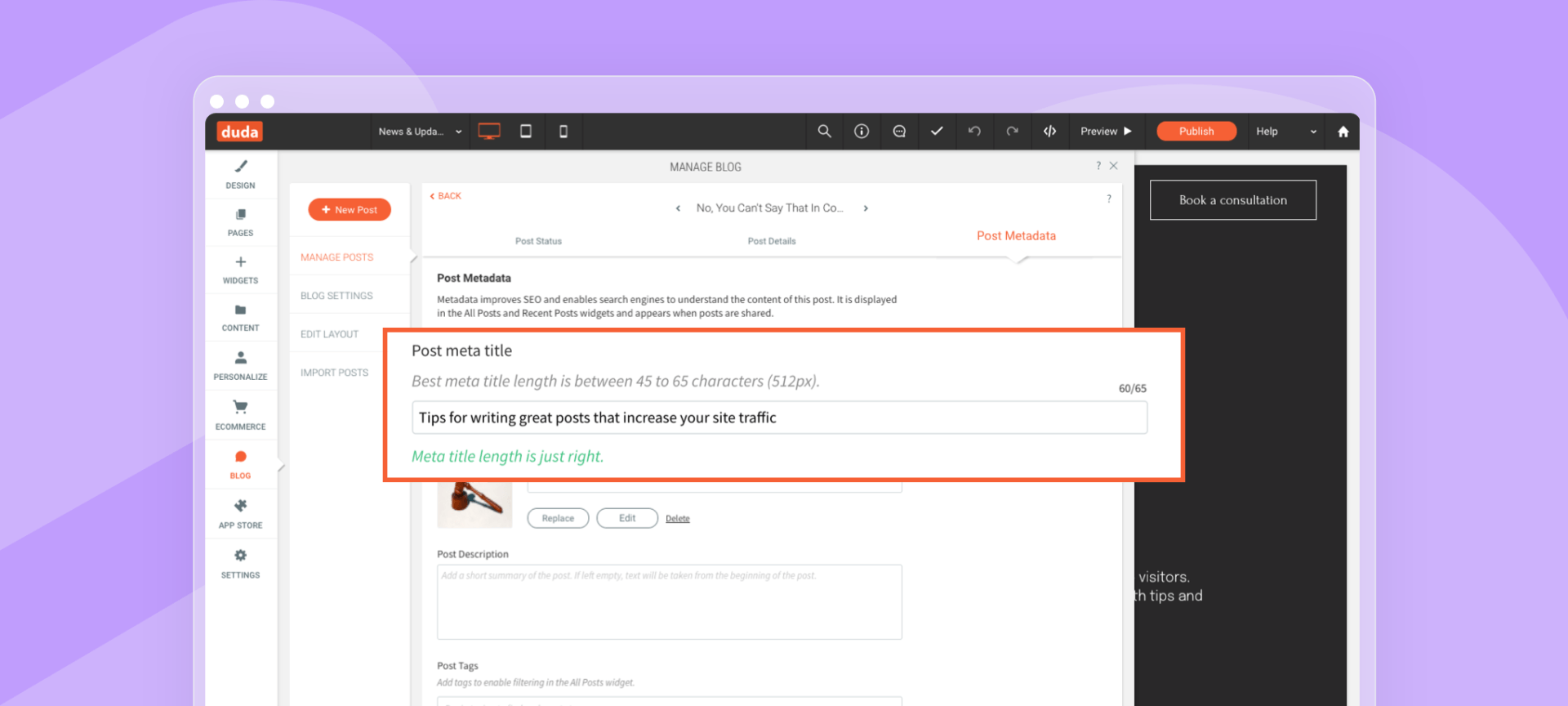
Abra as configurações de qualquer postagem do blog e você verá o novo campo de meta título na parte superior da seção Metadados da postagem. Inclui um contador de caracteres, para que você saiba exatamente quantos caracteres existem no meta título.


O título da postagem original aparecerá por padrão. Você pode deixá-lo como está ou substituí-lo por um título alternativo que siga as práticas recomendadas de meta títulos:


  • O comprimento ideal não deve ser superior a 512 px (entre 45 e 65 caracteres)
  • Coloque as palavras mais importantes no início do título
  • Inclua palavras-chave, argumentos de venda exclusivos e um CTA, caso seja possível


Saiba mais


Para saber mais sobre como escrever excelentes meta títulos para suas postagens de blog, veja este artigo.


Para testar seus próprios títulos para ver se eles correspondem às práticas recomendadas do setor, experimente este útil recurso online.


Did you find this article interesting?


Thanks for the feedback!
By Shawn Davis April 1, 2026
Core Web Vitals aren't new, Google introduced them in 2020 and made them a ranking factor in 2021. But the questions keep coming, because the metrics keep changing and the stakes keep rising. Reddit's SEO communities were still debating their impact as recently as January 2026, and for good reason: most agencies still don't have a clear, repeatable way to measure, diagnose, and fix them for clients. This guide cuts through the noise. Here's what Core Web Vitals actually measure, what good scores look like today, and how to improve them—without needing a dedicated performance engineer on every project. What Core Web Vitals measure Google evaluates three user experience signals to determine whether a page feels fast, stable, and responsive: Largest Contentful Paint (LCP) measures how long it takes for the biggest visible element on a page — usually a hero image or headline — to load. Google considers anything under 2.5 seconds good. Above 4 seconds is poor. Interaction to Next Paint (INP) replaced First Input Delay (FID) in March 2024. Where FID measures the delay before a user's first click is registered, INP tracks the full responsiveness of every interaction across the page session. A good INP score is under 200 milliseconds. Cumulative Layout Shift (CLS) measures visual stability — how much page elements unexpectedly move while content loads. A score below 0.1 is good. Higher scores signal that images, ads, or embeds are pushing content around after load, which frustrates users and tanks conversions. These three metrics are a subset of Google's broader Page Experience signals, which also include HTTPS, safe browsing, and mobile usability. Core Web Vitals are the ones you can most directly control and improve. Why your clients' scores may still be poor Core Web Vitals scores vary dramatically by platform, hosting, and how a site was built. Some of the most common culprits agencies encounter: Heavy above-the-fold content . A homepage with an autoplay video, a full-width image slider, and a chat widget loading simultaneously will fail LCP every time. The browser has to resolve all of those resources before it can paint the largest element. Unstable image dimensions . When an image loads without defined width and height attributes, the browser doesn't reserve space for it. It renders the surrounding text, then jumps it down when the image appears. That jump is CLS. Third-party scripts blocking the main thread . Analytics pixels, ad tags, and live chat tools run on the browser's main thread. When they stack up, every click and tap has to wait in line — driving INP scores up. A single slow third-party script can push an otherwise clean site into "needs improvement" territory. Too many web fonts . Each font family and weight is a separate network request. A page loading four font files before rendering any text will fail LCP, especially on mobile connections. Unoptimized images . JPEGs and PNGs served at full resolution, without compression or modern formats like WebP or AVIF, add unnecessary weight to every page load. How to measure them accurately There are two types of Core Web Vitals data you should be looking at for every client: Lab data comes from tools like Google PageSpeed Insights, Lighthouse, and WebPageTest. It simulates page loads in controlled conditions. Lab data is useful for diagnosing specific issues and testing fixes before you deploy them. Field data (also called Real User Monitoring, or RUM) comes from actual users visiting the site. Google collects this through the Chrome User Experience Report (CrUX) and surfaces it in Search Console and PageSpeed Insights. Field data is what Google actually uses as a ranking signal — and it often looks worse than lab data because it reflects real-world device and connection variability. If your client's site has enough traffic, you'll see field data in Search Console under Core Web Vitals. This is your baseline. Lab data helps you understand why the scores are what they are. For clients with low traffic who don't have enough field data to appear in CrUX, you'll be working primarily with lab scores. Set that expectation early so clients understand that improvements may not immediately show up in Search Console. Practical fixes that move the needle Fix LCP: get the hero image loading first The single most effective LCP improvement is adding fetchpriority="high" to the hero image tag. This tells the browser to prioritize that resource over everything else. If you're using a background CSS image for the hero, switch it to anelement — background images aren't discoverable by the browser's preload scanner. Also check whether your hosting serves images through a CDN with caching. Edge delivery dramatically reduces the time-to-first-byte, which feeds directly into LCP. Fix CLS: define dimensions for every media element Every image, video, and ad slot on the page needs explicit width and height attributes in the HTML. If you're using responsive CSS, you can still define the aspect ratio with aspect-ratio in CSS while leaving the actual size fluid. The key is giving the browser enough information to reserve space before the asset loads. Avoid inserting content above existing content after page load. This is common with cookie banners, sticky headers that change height, and dynamically loaded ad units. If you need to show these, anchor them to fixed positions so they don't push content around. Fix INP: reduce what's competing for the main thread Audit third-party scripts and defer or remove anything that isn't essential. Tools like WebPageTest's waterfall view or Chrome DevTools Performance panel show you exactly which scripts are blocking the main thread and for how long. Load chat widgets, analytics, and ad tags asynchronously and after the page's critical path has resolved. For most clients, moving non-essential scripts to load after the DOMContentLoaded event is a meaningful INP improvement with no visible impact on the user experience. For websites with heavy JavaScript — particularly those built on frameworks with large client-side bundles — consider breaking up long tasks into smaller chunks using the browser's Scheduler API or simply splitting components so the main thread isn't locked for more than 50 milliseconds at a stretch. What platforms handle automatically One of the practical advantages of building on a platform optimized for performance is that many of these fixes are applied by default. Duda, for example, automatically serves WebP images, lazy loads below-the-fold content, minifies CSS, and uses efficient cache policies for static assets. As of May 2025, 82% of sites built on Duda pass all three Core Web Vitals metrics — the highest recorded pass rate among major website platforms. That baseline matters when you're managing dozens or hundreds of client sites. It means you're starting each project close to or at a passing score, rather than diagnosing and patching a broken foundation. How much do Core Web Vitals actually affect rankings? Honestly, they're a tiebreaker — not a primary signal. Google has been clear that content quality and relevance still dominate ranking decisions. A well-optimized site with thin, irrelevant content won't outrank a content-rich competitor just because its CLS is 0.05. What Core Web Vitals do affect is the user experience that supports those rankings. Pages with poor LCP scores have measurably higher bounce rates. Sites with high CLS lose users mid-session. Those behavioral signals — time on page, return visits, conversions — are things search engines can observe and incorporate. The practical argument for fixing Core Web Vitals isn't just "because Google said so." It's that faster, more stable pages convert better. Every second of LCP improvement can reduce bounce rates by 15–20% depending on the industry and device mix. For client sites that monetize through leads or eCommerce, that's a revenue argument, not just an SEO argument. A repeatable process for agencies Audit every new site before launch. Run PageSpeed Insights and record LCP, INP, and CLS scores for both mobile and desktop. Flag anything in the "needs improvement" or "poor" range before the client sees the live site. Check Search Console monthly for existing clients. The Core Web Vitals report surfaces issues as they appear in field data. Catching a regression early — before it compounds — is significantly easier than explaining a traffic drop after the fact. Document what you've improved. Clients rarely see Core Web Vitals scores on their own. A monthly one-page performance summary showing before/after scores builds credibility and makes your technical work visible. Prioritize mobile. Google uses mobile-first indexing, and field data shows that mobile CWV scores are almost always worse than desktop. If you only have time to optimize one version, do mobile first. Core Web Vitals aren't a one-time fix. Platforms change, new scripts get added, campaigns bring in new widgets. Build the audit into your workflow and treat it like any other ongoing deliverable, and you'll stay ahead of the issues before they affect your clients' rankings. Duda's platform is built with Core Web Vitals performance in mind. Explore how it handles image optimization, script management, and site speed automatically — so your team spends less time debugging and more time building.
By Ilana Brudo March 31, 2026
Vertical SaaS must transition from tools to an AI-powered Vertical Operating System (vOS). Learn to leverage context, end tech sprawl, and maximize retention.
By Shawn Davis March 27, 2026
Automate client management, instant site generation, and data synchronization with an API-driven website builder to create a scalable growth engine for your SaaS platform.
Show More

Latest posts